Apple Surges iPhone Duo Production to Meet Explosive Demand
Supply chain data reveals a massive order increase for the new folding device as initial delivery delays point to overwhelming consumer interest rather than manufacturing hiccups.
By Fatima Zayed ·
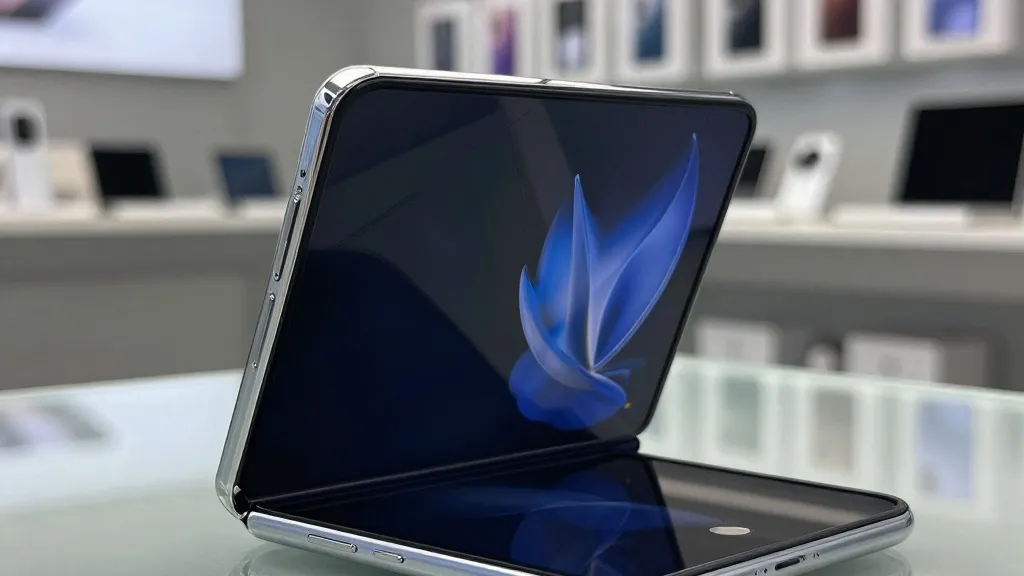
Apple has significantly accelerated manufacturing of its new folding smartphone to keep pace with a sudden surge in consumer interest.
Supply chain reports indicate that the Cupertino-based giant has boosted its iPhone Duo orders by more than 40% in direct response to what the company characterized as "extraordinary" pre-order activity. This strategic adjustment aims to align production capacity with the immediate influx of buyers, ensuring that the hardware supply can match the market's appetite for the device.
The first clear signal of this demand came the moment pre-orders opened on Friday. Customers immediately began receiving extended delivery estimates, with some dates slipping into late January. While these delays initially created ambiguity about whether the issue stemmed from poor supply logistics or genuine popularity, the latest data points firmly toward the latter. Apple attributed the extended wait times to the high volume of orders, a phrase it frequently employs during major product launches, and implemented a limit of two units per customer to mitigate potential scalping.
As anticipated, some early buyers have since received revised, earlier shipping dates. This adjustment appears to be a direct result of the production ramp-up detailed in recent supply chain analyses. The data suggests that Apple is actively increasing its output to clear the initial backlog and stabilize delivery timelines for the broader consumer base.
Looking ahead, the company expects this strong demand to persist over the coming year. Consequently, Apple has raised its shipment targets for the first twelve months from 9.7 million to 14 million units. This upward revision underscores the confidence the company places in the long-term viability of the folding form factor and its ability to capture a larger share of the premium smartphone market.
Despite the hardware rush, software integration remains a work in progress. Early adopters are currently navigating a landscape where third-party applications are not yet fully optimized for the new device's unique interface. However, Apple maintains that the situation is improving rapidly as developers adapt their codebases to support the folding screen mechanics. Initial reviews based on a week of usage have consistently identified app support as a primary area of focus for future updates.
One notable design decision that has drawn attention is the shift to Touch ID, a move some see as a step back from the biometric standards of previous generations. Nevertheless, reports emerging today suggest that Apple is already testing prototypes for the iPhone Duo 2 equipped with Face ID. This indicates that the company is actively evaluating potential refinements to the biometric security features for the next iteration of the device.
For readers in the Great Lakes and Ohio Valley, the implications of this production boost are already visible in local retail and carrier availability. As the 14-million-unit target comes into focus, the pressure on logistics will remain high, but the increased manufacturing output should help alleviate the initial strain on the supply chain in the coming weeks.
Source: 9to5Mac