Wolves Return to Finnish Villages as Google’s 1,300-Acre AI Buildout Destroys Local Forest
The disruption caused by unauthorized data center construction has forced displaced wildlife into residential areas, prompting safety concerns and regulatory stop-work orders.
By Priya Sharma ·
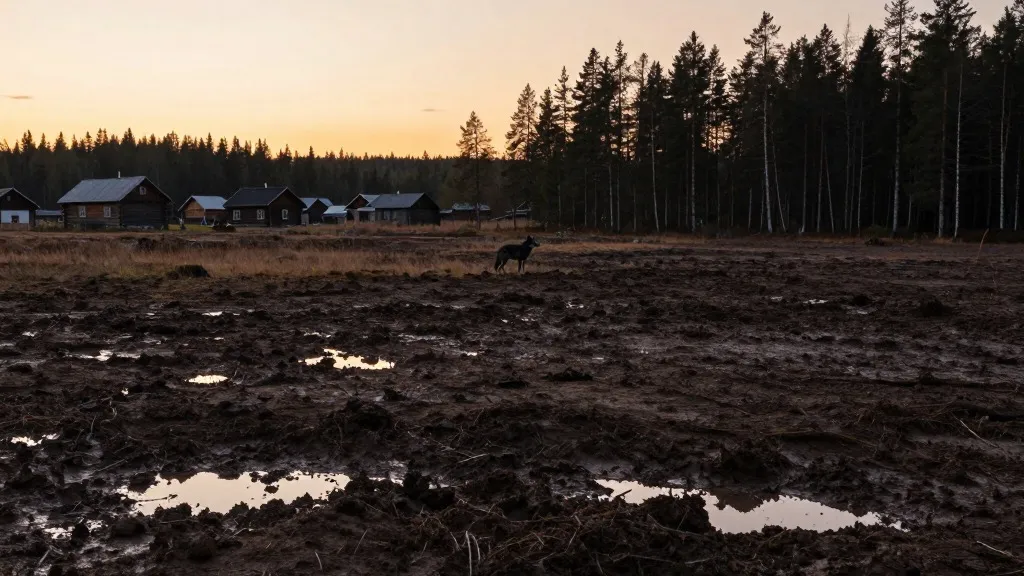
The construction of new artificial intelligence infrastructure in Finland has resulted in the clearing of approximately 1,300 acres of forest, a figure that underscores the scale of the environmental disruption currently facing the region. This massive land conversion has not only altered the local landscape but has also triggered a cascade of ecological and social consequences that are now affecting communities in the Kajaani and Muhos areas. The primary focus of this controversy is the transformation of dense woodland into open, muddy terrain, a change that has fundamentally disrupted the habitat of local wildlife.
The immediate impact of the construction has been the displacement of wolf packs and other wild animals that previously relied on the forest for shelter and hunting grounds. With their natural habitat reduced to an expanse of mud, these animals have begun roaming into neighboring villages, such as Otanmäki, which is located 55 miles southeast of the main construction site. Local residents report that the presence of these animals in residential areas has become a significant safety concern, shifting the narrative from an environmental debate to a direct human-wildlife interaction issue that affects daily life in these rural communities.
Anni Ranta, a 53-year-old resident whose family has lived in Otanmäki for generations, highlighted the direct link between the forest clearing and the arrival of wolves in the village. She explained that the wild animals moved out of the forest because their habitat was destroyed, forcing them into areas where they typically do not reside. Beyond the immediate safety worries, Ranta also expressed broader geopolitical concerns, fearing that the establishment of U.S.-owned data centers could make Finland a more attractive target for potential Russian aggression, adding a layer of strategic anxiety to the local environmental grievances.
The regulatory response to these developments has been swift, with the Finnish Licensing and Supervision Authority (LVV) issuing an order for Google to cease work in the affected areas. This intervention follows a notice given earlier this month regarding construction activities in both Muhos and Kajaani. The LVV’s decision highlights the tension between rapid technological expansion and strict environmental compliance, as the authority seeks to ensure that development projects adhere to established land-use regulations. The stop-work order specifically targets the roughly 500 acres of forest that were cleared in the vicinity of Otanmäki.
Local reactions extend beyond the wildlife issue, with residents citing a variety of other negative side effects associated with the construction. Reports indicate that communities are dealing with increased noise from construction and factory activities, as well as visible changes to water quality, with streams turning brown. Additionally, rare bird species have been pushed out of their traditional territories. These complaints reflect a broader pattern seen in other countries, where the rapid deployment of AI data centers has often outpaced the assessment of local environmental impacts, leading to friction between developers and residents.
Google’s management has responded to the situation with a combination of apology and assurance. The company’s Finland country manager has apologized for the unauthorized forest clearings near Muhos, acknowledging that 816 acres of forest have been turned into mud. A Google spokesperson stated that the company will fully comply with the requests from the LVV and looks forward to maintaining an active dialogue with authorities. The company appears to be emphasizing its commitment to strengthening its partnership with Finland, hoping that the long-term business benefits of the data centers will help mitigate the current regulatory and public backlash.
The Finnish Association for Nature Conservation (SLL) has described Google’s approach to environmental policy as unprecedented in its clarity of deviation from established norms. This assessment aligns with the actions taken by the LVV, which viewed the unauthorized clearing as a significant breach of protocol. The situation has drawn attention to the complexities of building large-scale AI infrastructure in ecologically sensitive regions, where the speed of deployment often conflicts with the careful planning required to maintain local ecosystems.
As the situation unfolds, the focus remains on the interplay between technological expansion and environmental stewardship. The displacement of wolves into villages serves as a tangible symbol of the broader changes occurring in the landscape. While Google maintains its commitment to compliance and dialogue, the immediate challenge for both the company and local authorities is to manage the ongoing impact on the community and the natural habitat. The coming months will likely see continued negotiations, with the ultimate goal of balancing the region’s technological ambitions with the need to protect its unique ecological and social fabric.
Source: Tom's Hardware