Blue-green lights may become the standard for driverless cars
New federal proposals aim to create a uniform visual signal for autonomous vehicles while removing outdated rules for manual controls.
By Neha Iyer ·
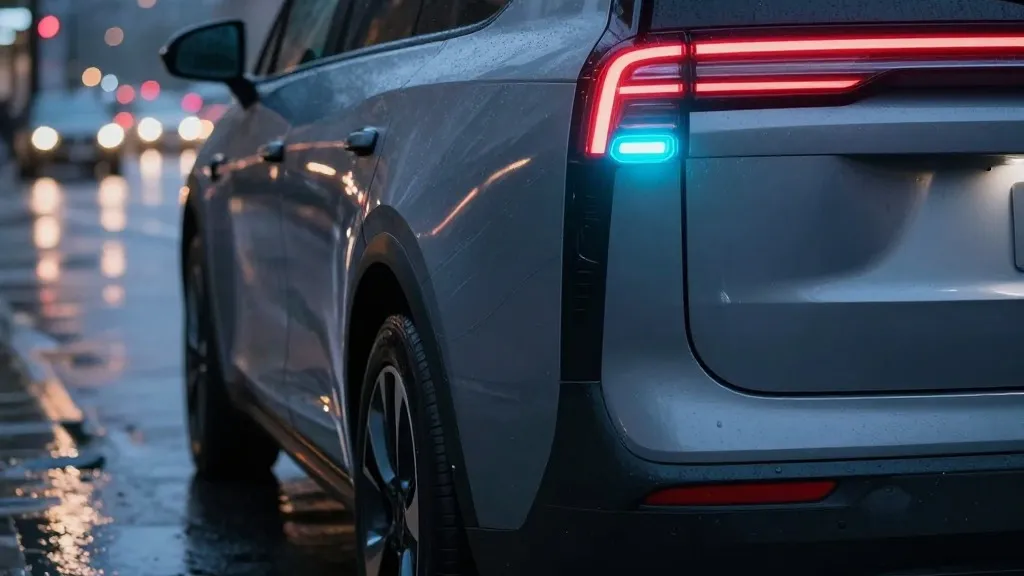
For drivers sharing the road with autonomous vehicles, a new visual cue could soon help distinguish robotaxis from human-operated cars. Federal regulators are moving to standardize how these self-driving vehicles communicate their status to the surrounding traffic, replacing a fragmented mix of signals with a single, distinct color.
The National Highway Traffic Safety Administration has released proposed changes to Federal Motor Vehicle Safety Standard No. 108. The core of this update is the introduction of cyan-colored marker lamps. These lights are designed to be unique enough to stand out, allowing law enforcement and other road users to instantly recognize that an automated driving system is in control.
The choice of a blue-green hue is deliberate. Existing automotive lighting conventions already reserve red, amber, and white for standard functions like brakes and turn signals, while flashing blue and red are typically associated with emergency vehicles. By selecting cyan, the agency aims to fill a visual gap without causing confusion or overlap with current signals.
This proposal is not entirely without precedent. Mercedes-Benz previously received state-level approval for turquoise lights on its Level 3 Drive Pilot vehicles, though the automaker later shifted its strategy toward a different system. The federal move seeks to establish a national baseline that operators like Waymo, Nuro, and Zoox, along with manufacturers such as GM and Mercedes, can adopt uniformly.
Under the proposed rule, installing these cyan marker lights would remain optional for manufacturers. However, by defining official standards for the lights' color, brightness, and placement, the agency intends to ensure consistency. This prevents a scenario where different companies use varying colors or configurations, which could confuse drivers and pedestrians.
The regulatory update also includes the removal of several requirements that are impractical for vehicles without human drivers. Current rules mandate the presence of physical hazard switches, manual beam shifters, and turn levers. The agency proposes eliminating these mandates, allowing automakers to design interiors and systems specifically for autonomous operation.
Additional technical updates include modifying the 12.8-volt testing standard to accommodate modern LED architectures and reconsidering rules regarding the vertical placement of high-beam and low-beam lights. These changes are part of a broader effort by the Department of Transportation to streamline the deployment of autonomous vehicles.
Despite these moves to ease regulations, the agency is still actively enforcing existing standards. Last month, NHTSA launched an audit into the Tesla Cybercab to review the technical data and processes used during its certification. The inquiry focuses on the vehicle's lack of traditional design elements, such as sideview mirrors, pedals, and a steering wheel, which are currently required under the safety standards.
Source: The Verge